
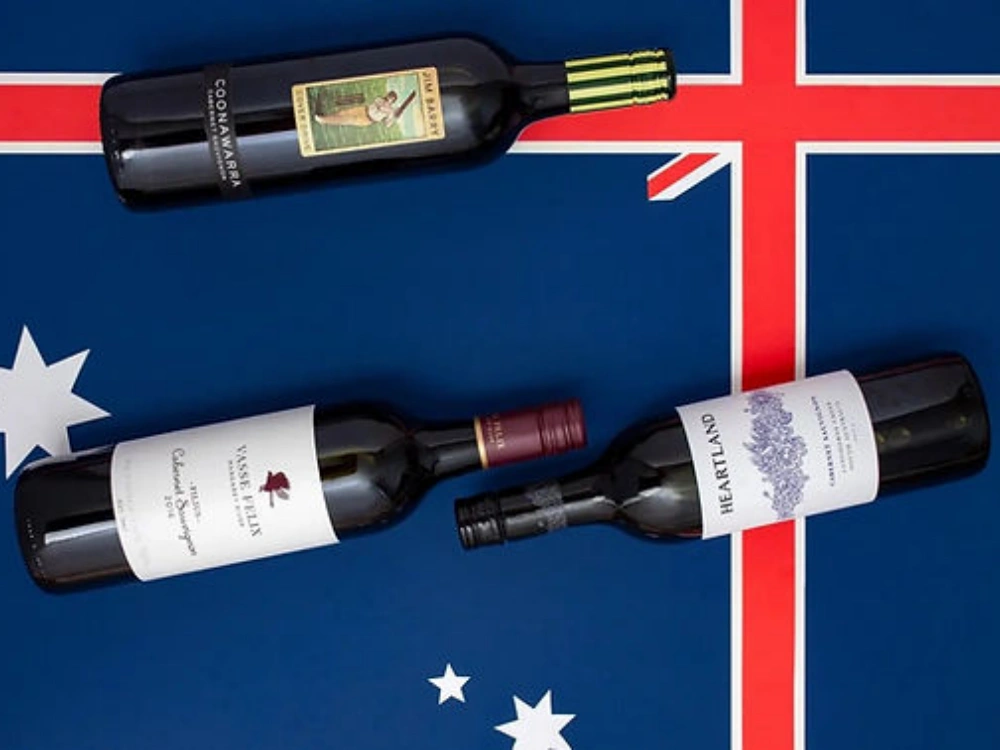
What information is available on the wine label?
A wine label is like a business card for red wine, condensing all the important information about the wine on a small label, through which we can quickly determine its origin, characteristics and possible styles. Some of the most common things you'll see on a wine label include: The name of the winery or brand: Tells you which winery or brewer produced the wine,...
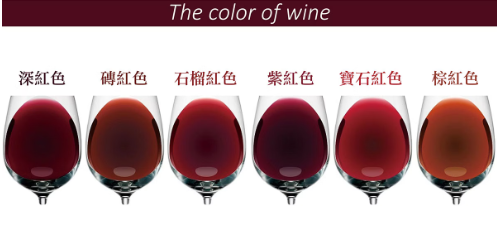
What are the colors of red wine?
The color of red wine comes from anthocyanins in the skins of red grapes, which vary from bright red to brick red depending on the maceration time, grape variety and ageing time. Darker colored wines tend to be more tannic and full-bodied, while lighter colored wines are lighter in body, with acidity that brings out the freshness of the...
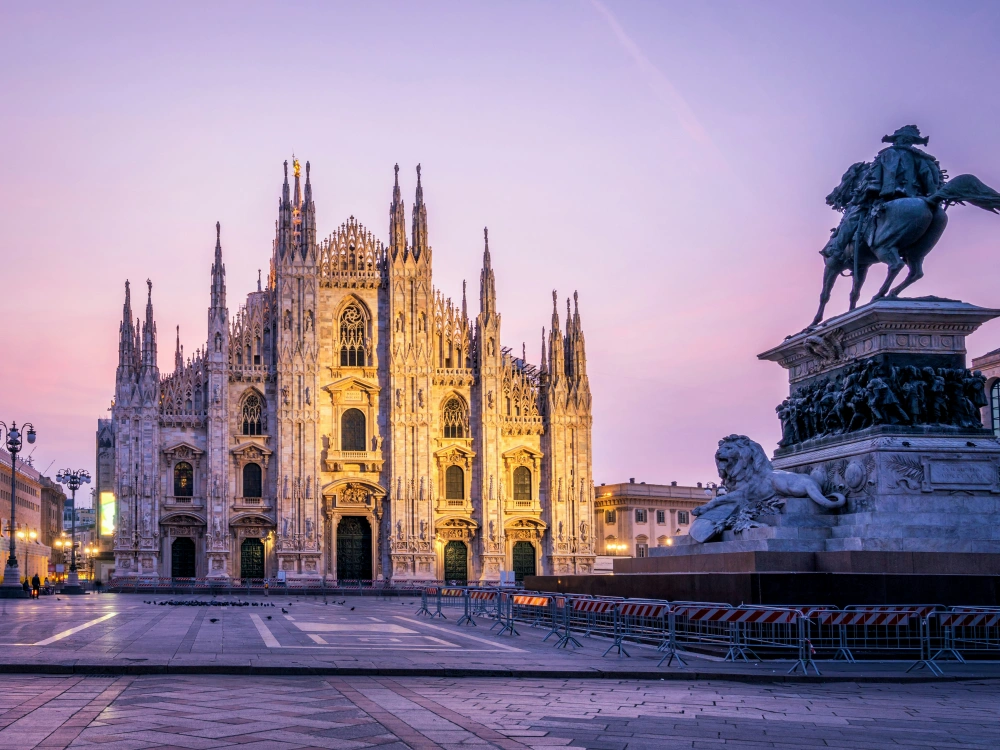
Italy (Milan Region)
Selection of grapes: Italian red wines are made from varieties such as Nebbiolo and Sangiovese, which are usually ripened over a long period of time. Destemming and pressing: After destemming, the skins are fermented with the juice. Fermentation and maceration: the red wine is left in contact with the skins for a long time during fermentation...
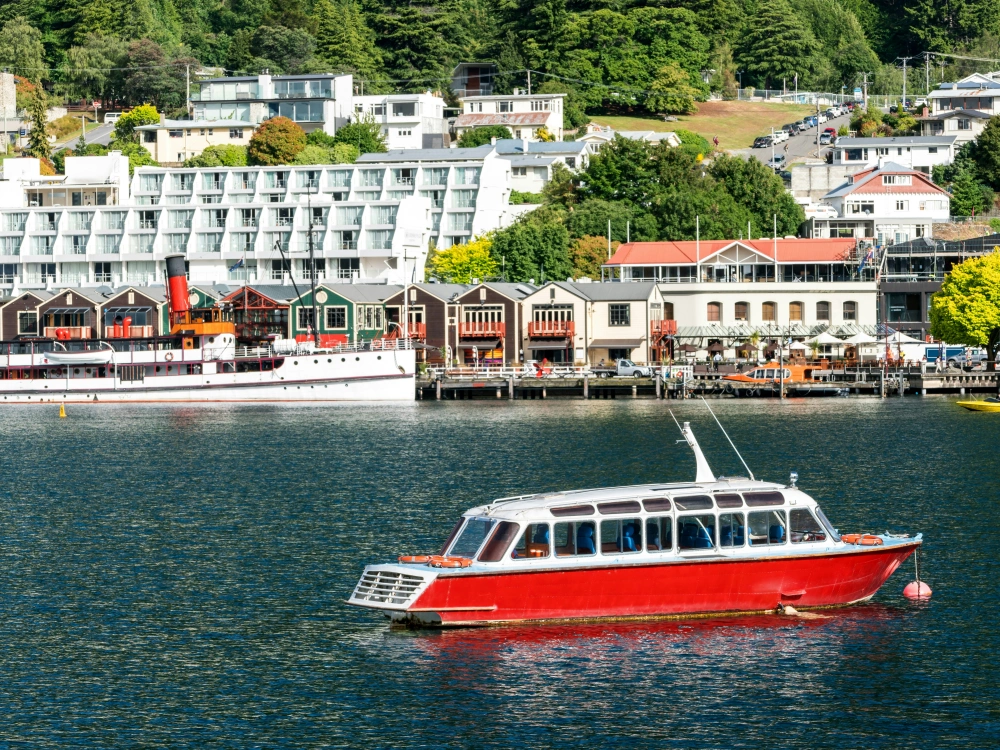
New Zealand
Cold Harvest: New Zealand Sauvignon Blanc is usually grown in cooler climates to maintain its freshness and fruity flavor. Skin Breaking and Pressing: Grapes are pressed after cooling and the skins are removed, which helps to maintain their clarity and fruitiness. Fermentation at low temperatures: Fermentation is usually carried out in stainless steel vats to preserve the freshness of the fruit flavors and aromas. Bottling...
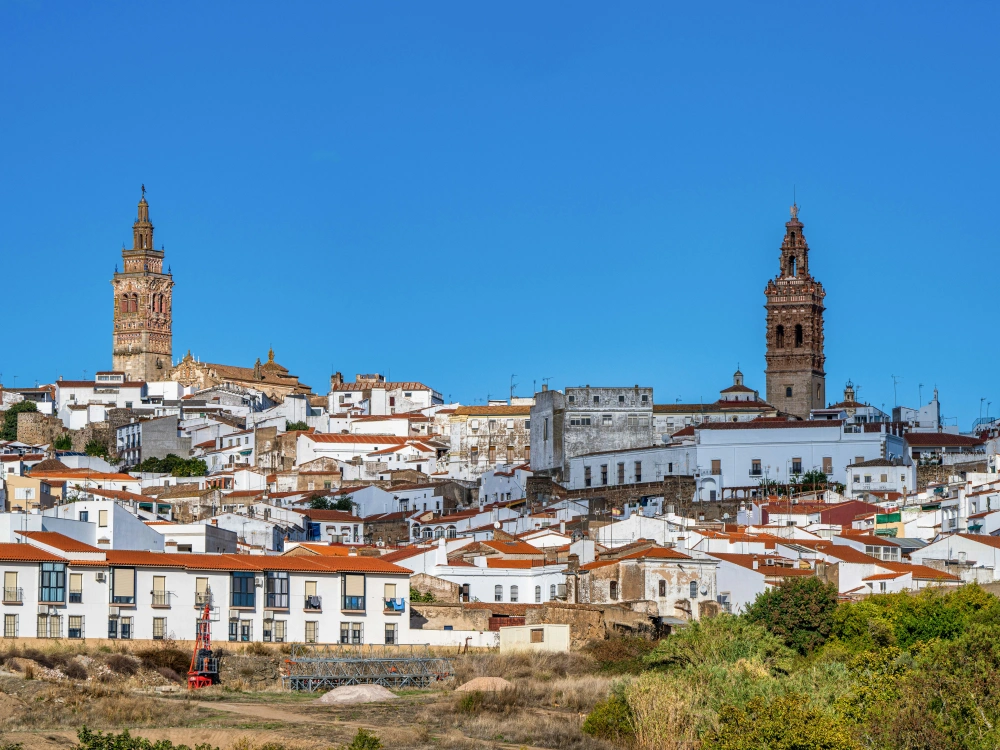
Spanish
Selection of grapes: choose a ripe Tannuquin or another native grape variety. Destemming and pressing: after destemming, the grapes are gently pressed to extract the juice. Fermentation: the juice is fermented with the skins, a process that can take several days. Barrel maturation: Spanish red wines are usually matured in sherry casks or French oak barrels...
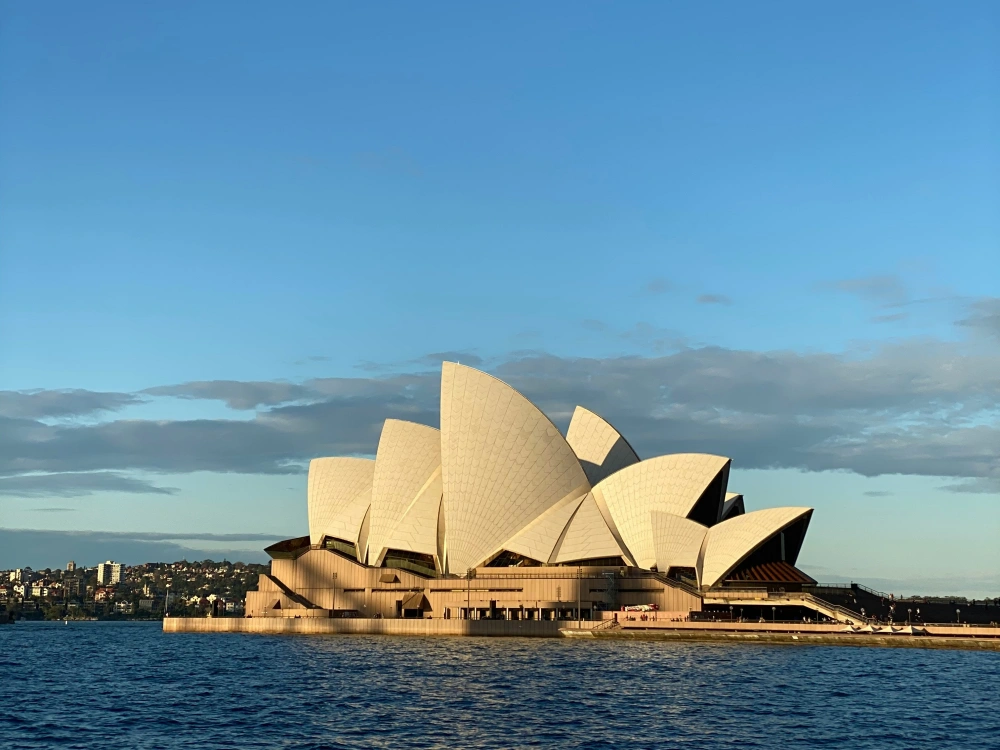
Australia
Harvesting: The grapes are harvested when they are fully ripe, and most of the harvesting is done mechanically, which is more efficient. Fermentation: After breaking the skins of the grapes, the wine is fermented in contact with the skins to obtain color and tannins. Barrel maturation: Australian red wines are often matured in oak barrels, where the oak gives the wine its aroma, and some wines are made with French oak...

France
France is a world-renowned producer of wine, especially red wine. Famous regions include Bordeaux, Burgundy and the Rhône Valley. Harvesting: Grapes are hand-selected to ensure the ripeness of each individual grape. Pressing: The red wine grapes are fermented with the skins...


